
10 Maintenance Secrets: How to Extend the Life of Your Car

Your car is probably one of the most expensive things you own. Yet most people treat it like a self-cleaning oven – just expecting it to work without much effort. The truth is, a little consistent care goes a very long way. These ten secrets will not only keep your car running smoothly, but they can add years to its life and save you a lot of money along the way.
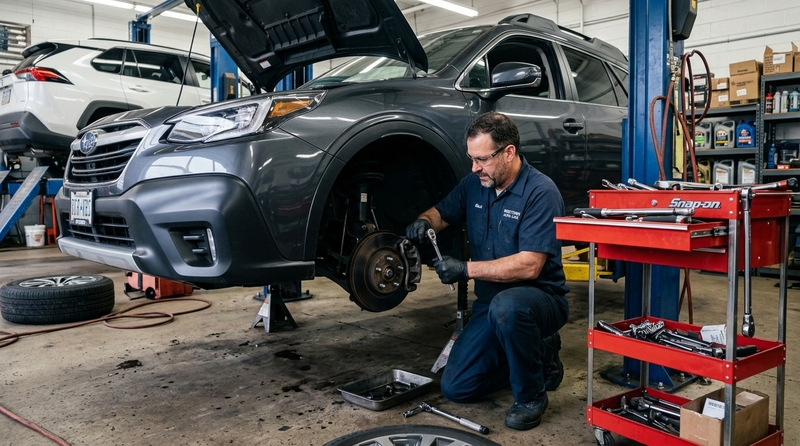
Table of Contents
1) Change Your Oil on Time (Every Time)
Whether you’re looking at buying Used Cars in San Marcos TX or you have an older car, oil is the lifeblood of your engine. It lubricates all the moving parts and keeps things from grinding against each other in ways that would make a mechanic cry. Most modern cars can go between 5,000 and 7,500 miles between oil changes, and some even stretch to 10,000 miles with full synthetic oil. The key is to actually do it. Set a reminder on your phone. Write it on your calendar. Tattoo it on your wrist if you have to. Skipping oil changes is one of the fastest ways to turn a healthy engine into a very expensive paperweight.
2) Check Your Tire Pressure Regularly
Tires lose about one PSI of pressure for every ten-degree drop in temperature. That means every cold morning, your tires are quietly deflating without telling you. Low tire pressure causes uneven wear, reduces fuel economy, and makes your car harder to handle. High pressure makes your tires more likely to blow out. Neither is great. Grab a tire pressure gauge – they cost about three dollars – and check your tires once a month. The correct pressure is on a sticker inside your driver-side door, not on the tire itself. That number on the tire is the maximum, not the target.
3) Rotate Your Tires Every 5,000 to 7,500 Miles
Front tires wear faster than rear tires because they handle both steering and braking. If you never rotate them, the front tires will wear down long before the rears, and you will end up buying two new tires while the rear ones still look brand new. Rotating your tires evens out the wear across all four, so they all last longer. Many shops do it for free when you bring the car in for an oil change. It takes maybe 15 minutes. There is no good reason to skip this one.
4) Replace Your Air Filter When It Gets Dirty
Your engine needs a mix of fuel and air to run. The air filter keeps dust, pollen, and road grime from getting into the engine and causing damage. A clogged air filter restricts airflow, which hurts your fuel economy and can reduce engine performance. You can usually check your air filter yourself in about two minutes by popping the hood and opening the air filter box. If it looks gray or brown, it is time for a new one. A replacement filter costs around $15 to $25 and takes no tools to install. This is as easy as car maintenance gets.
5) Pay Attention to Your Brakes
Your brakes are not something to gamble with. Most brake pads have a small metal indicator that makes a squealing noise when the pads get thin. That noise is not your car being quirky – it is a direct message saying “please help me.” If you hear grinding instead of squealing, the pads are completely worn through and the metal is now grinding against your rotors. That is a much more expensive repair. Get your brakes inspected once a year or any time you notice strange noises or a longer stopping distance. Brakes are cheap compared to the alternative.
6) Flush Your Coolant System
Coolant keeps your engine from overheating in summer and freezing in winter. Over time, the coolant breaks down and becomes acidic, which can corrode the inside of your cooling system. Most manufacturers recommend flushing and replacing the coolant every 30,000 miles or every two to five years. It is not the most glamorous maintenance task, but it protects a very expensive part of your car. Overheating is one of the leading causes of engine failure, and a coolant flush is one of the best ways to prevent it.
7) Keep an Eye on All Your Fluids
Your car runs on more than just gas and oil. Brake fluid, transmission fluid, power steering fluid, and windshield washer fluid all need to be checked and topped off regularly. Most of these have dipsticks or clear reservoirs under the hood that make it easy to see the level at a glance. Low brake fluid can reduce braking power. Low transmission fluid can cause your transmission to slip or fail. Checking these fluids takes about five minutes and can alert you to problems before they become serious. Make it part of your monthly routine.
8) Replace Worn Wiper Blades
This one feels minor until you are driving in a heavy rainstorm with wipers that smear the water instead of clearing it. Wiper blades degrade from sun exposure, heat, and the constant pressure of rubbing against glass. Most experts recommend replacing them every six to twelve months. New wiper blades cost $15 to $30 for a pair and snap on in minutes. If your wipers leave streaks or skip across the windshield, replace them. Good visibility is not optional. It directly affects your safety and the safety of everyone else on the road.
9) Do Not Ignore Your Check Engine Light
The check engine light is your car’s way of saying something is off. It could be something small, like a loose gas cap. It could also be something bigger, like a failing oxygen sensor or a misfiring cylinder. Many people drive around for months with that little amber light glowing on the dashboard, hoping it will somehow fix itself. It usually does not. A diagnostic scan at most auto parts stores is free, and it will tell you exactly what code triggered the light. Addressing small issues early almost always prevents them from turning into large, expensive ones.
10) Follow Your Car’s Maintenance Schedule
Every car comes with an owner’s manual that includes a maintenance schedule. It tells you exactly when to replace spark plugs, timing belts, transmission fluid, and other components specific to your vehicle. Most people never open that manual, which is understandable – it is not exactly a page-turner. But it contains the most important information for keeping your car alive long-term. A timing belt failure, for example, can destroy an engine in seconds. Following the schedule keeps your car running, protects your warranty, and gives you a clear roadmap for what to do and when.
The Bottom Line
Taking care of your car does not require a mechanical degree or a garage full of tools. It requires consistency. Most of these habits take just a few minutes and cost very little. The cars that last 200,000 miles and beyond are rarely lucky – they are well-maintained. Treat your car with a little regular attention, and it will return the favor by not leaving you stranded on the highway at the worst possible moment.