
What Drivers Should Know About Pursuing Accident Claims

A collision can disrupt far more than a commute. Physical pain, rising treatment costs, lost wages, and insurer pressure often precede the bruising fully appearing. Sound decisions in the first days can shape the claim for months. Drivers who understand documentation, medical care, liability, and deadlines are better equipped to protect their position and pursue compensation that reflects the full effect of the crash.
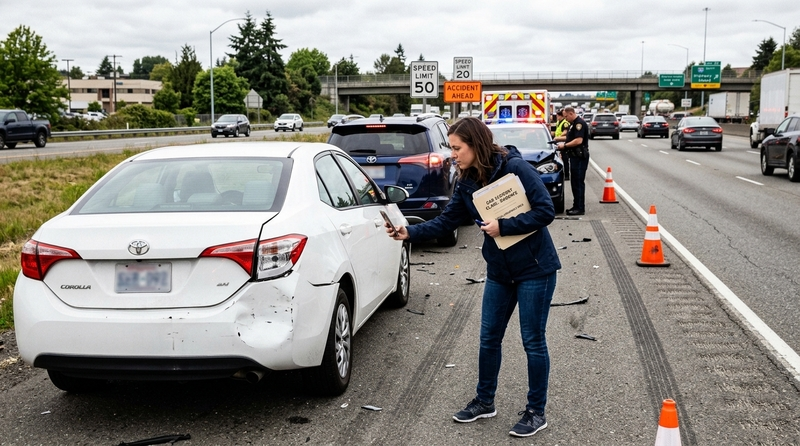
Table of Contents
First Steps Matter
Minutes after impact often decide which facts survive scrutiny later. Drivers should seek police assistance, accept prompt medical evaluation, and photograph vehicle positions, debris, road markings, and visible injuries. In many cases, a Philadelphia car accident lawyer can assess those early details, identify missing proof, and help preserve records before footage disappears, witnesses leave, or vehicles are repaired.
Medical Records Shape Value
Medical records do more than confirm an appointment occurred. They tie symptoms, imaging results, treatment plans, and activity limits to the event itself. A gap in care can weaken that chain. Insurers often question delayed treatment, especially with soft tissue trauma, concussion symptoms, or spinal pain that worsens over several days. Consistent follow-up helps show genuine injury, measurable impairment, and expected recovery needs.
Fault Is Not Always Simple
Liability rarely stays as clear as drivers expect at the roadside. A rear-end impact may still raise questions about sudden braking, lane position, visibility, weather, or mechanical defects. Pennsylvania follows comparative fault rules, which can reduce recovery if blame is shared. For that reason, drivers should give accurate facts, avoid speculation, and leave legal conclusions until the evidence is fully reviewed.
Insurance Calls Need Care
Early calls from insurers may sound routine, yet every answer can affect valuation. Adjusters listen for uncertainty, prior symptoms, or statements that minimize discomfort before inflammation peaks. Recorded interviews can create problems if headaches, numbness, or restricted movement appear later. Basic notice is usually necessary, but detailed discussion often works better after records, police findings, and treatment notes establish a clearer medical picture.
Documentation Builds Leverage
Strong claims rest on verifiable proof. Clear photographs, repair estimates, pharmacy receipts, wage records, and appointment summaries help connect financial loss to physical harm. A written symptom log can also be helpful, especially where sleep disruption, dizziness, or reduced mobility interferes with normal routines. Small details recorded early often become persuasive months later, once memory fades and settlement talks grow more exact.
Settlement Offers Can Mislead
A quick offer may ease immediate pressure, though speed rarely favors the injured driver. Early numbers often arrive before imaging, therapy, specialist review, or future work restrictions are known. Once a release is signed, the claim is usually over. Careful evaluation should include current bills, expected treatment, lost earnings, pain levels, and any lasting reduction in strength, focus, or daily function.
Time Limits Deserve Attention
Every accident claim moves under a legal clock. Pennsylvania filing deadlines can bar recovery if a lawsuit starts too late, and some cases carry added notice rules. Delay also harms proof. Surveillance footage may be erased, damaged parts may be discarded, and witnesses may be harder to locate. Acting promptly protects legal rights and preserves the practical evidence needed to explain how the collision occurred.
Damages Reach Beyond Repairs
Property damage is only one piece of a valid claim. Compensation may include emergency care, surgery, rehabilitation, prescription costs, lost income, and reduced future earning capacity. Some cases also account for pain, emotional strain, sleep disturbance, and loss of normal activity. A fair evaluation should reflect how the injury changed movement, work tolerance, household duties, and family life after the crash.
Legal Help Can Clarify Options
Some matters are resolved with limited disagreement. Others involve disputed liability, severe injury, low policy limits, uninsured drivers, or coverage terms that are harder to interpret. Legal guidance can help organize evidence, measure losses, respond to insurer tactics, and avoid procedural mistakes. Early advice often makes the process less uncertain, especially where medical recovery is still unfolding and financial pressure keeps building.
Conclusion
Pursuing an accident claim involves far more than filing paperwork or answering a few calls. The outcome usually depends on timing, credible medical evidence, disciplined communication, and a clear record of loss. Drivers who act quickly, stay organized, and treat every step seriously place themselves in a stronger position. Careful preparation can protect legal rights and support compensation that matches the real impact of a crash.