
Steps That Preserve Evidence for a Car Accident Injury Claim

After a car crash, pain, shock, and worry can make simple decisions feel harder. Evidence is often strongest in the first hours, before vehicles move, bruising changes, or memories blur. For drivers in Providence, Rhode Island, acting quickly after a collision can make a real difference in the strength of a claim. A few careful steps in those early moments can preserve proof that matters later.
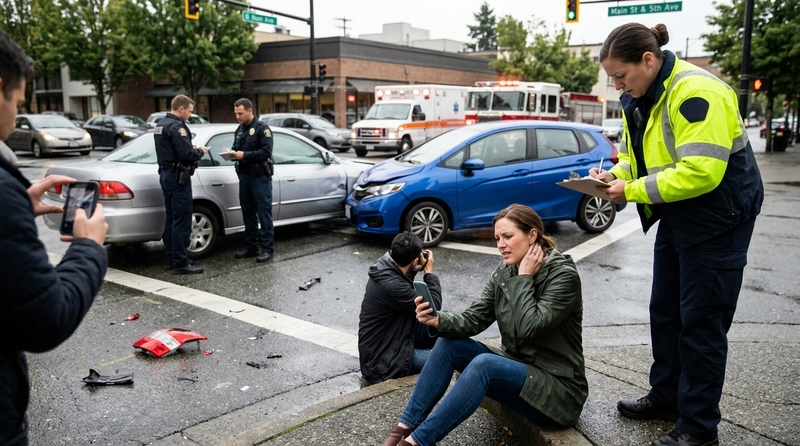
Good documentation gives an injury claim a factual backbone. A providence car accident lawyer can help secure that foundation early. Photos, medical records, witness names, and expenses help show how the collision harmed the body and daily routine. Careful steps can protect those facts before they fade.
Table of Contents
Get Legal Context Early
Early guidance helps injured people avoid mistakes that create proof gaps. An attorney can explain which records support causation, how claim deadlines apply, and why written statements should match documented facts. That direction can protect medical timelines, crash details, wage loss, and insurer communications while evidence remains easier to collect.
Call Police
Police involvement gives the crash an official record. Officers may document driver names, insurance details, road layout, weather, citations, and visible damage. That report can later test whether each account fits the scene. Before leaving, people should get the report number. Even if soreness appears hours later, the record ties the event to a date, location, and time.
Photograph the Scene
Scene photographs should show vehicle resting points, skid marks, broken parts, traffic lights, stop signs, lane lines, and weather. Wide views place the crash in context. Close shots capture impact marks and debris. If it is safe, several angles help reconstruct movement. Time-stamped images can preserve visibility, road hazards, and signal placement before cleanup crews change conditions.
Record Vehicle Damage
Vehicle damage can show how force traveled through the collision. Photos should cover every side, including crushed panels, broken glass, airbag deployment, seat damage, and license plates. Tow invoices, repair estimates, and inspection notes also belong in the file. These materials may help connect property loss with neck strain, back injury, concussion symptoms, or other physical harm.
Identify Witnesses
Witnesses can describe speed, traffic flow, distraction, braking, or lane position before impact. Names, phone numbers, and brief written notes are useful. People should ask calmly and avoid shaping anyone’s account. A plain description of what someone saw often carries more weight than an opinion about fault. Independent details can reduce conflict when drivers recall different versions.
Save Medical Records
Medical records link symptoms to the collision. Emergency notes, imaging, prescriptions, referrals, physical therapy charts, and follow-up visits can show injury patterns over time. Prompt care matters because delays may raise questions. Patients should report headaches, dizziness, stiffness, numbness, sleep disruption, radiating pain, and limits with lifting, walking, driving, or work tasks.
Track Symptoms
A dated symptom journal can fill gaps that charts miss. Entries should stay short, honest, and specific. Pain levels, medication effects, missed shifts, poor sleep, headaches, mobility limits, and household restrictions are helpful details. Plain notes beat dramatic wording. Consistent tracking may support losses that do not appear clearly on scans or routine examination forms.
Keep Expense Proof
Bills and receipts help measure financial harm. People should save records for medical visits, prescriptions, mileage, rides, vehicle rental, repairs, childcare, home assistance, and lost income. Pay stubs and employer letters can document wage changes. Organized expense proof makes review faster. Clear totals also help prevent confusion during settlement talks or formal claim review.
Avoid Social Posts
Social media can damage an otherwise well-documented claim. Photos, jokes, comments, check-ins, and activity updates may be read without context. Insurance adjusters may compare posts with reported injuries. Privacy settings cannot guarantee control. Injured people should avoid posting about the crash, symptoms, travel, exercise, work status, or settlement discussions while the claim remains open.
Preserve Digital Data
Phones, dash cameras, vehicle systems, and nearby security cameras may contain valuable proof. People should back up crash photos, messages, call logs, navigation data, and relevant videos. Some businesses erase footage quickly. A prompt preservation request can help secure recordings that show traffic movement, signal timing, braking, or driver conduct before impact.
Watch Communication
Insurance calls often arrive soon after a collision. Statements should remain factual, brief, and consistent with known records. People should avoid guessing about speed, blame, or recovery time. Recorded comments may be compared with later medical findings. After each call, notes should list the date, representative name, claim number, questions asked, and promises made.
Organize the File
A clear file system keeps evidence usable. Sections may include police records, photographs, medical care, expenses, wage loss, witness information, and insurance letters. Digital backups protect against missing papers. Each filename should include a date and short label. Good organization saves time and helps every claim decision rest on verifiable proof.
Conclusion
A strong injury claim depends on accurate records, timely care, and steady follow-through. Photos, reports, medical notes, witness details, receipts, and saved messages can show both the crash and its physical effects. Early preservation matters because vehicles get repaired, soreness changes, and video may disappear. With careful documentation, injured people can present a claim grounded in facts, not guesswork.