
What to Do After a Car Accident Before Calling Insurance

A car accident can throw your whole day off in a matter of seconds. One minute you are driving to work, heading home, or running errands, and the next you are standing on the side of the road trying to make sense of what just happened. Even a crash that looks minor at first can leave you shaken, distracted, and unsure about what to do next.
Most drivers assume the insurance company is the first place they should turn. That sounds logical, but it can also be where early mistakes start. Before you go into detailed conversations about fault, injuries, or what you think the claim might be worth, it helps to slow down and take a few steps that protect you first.
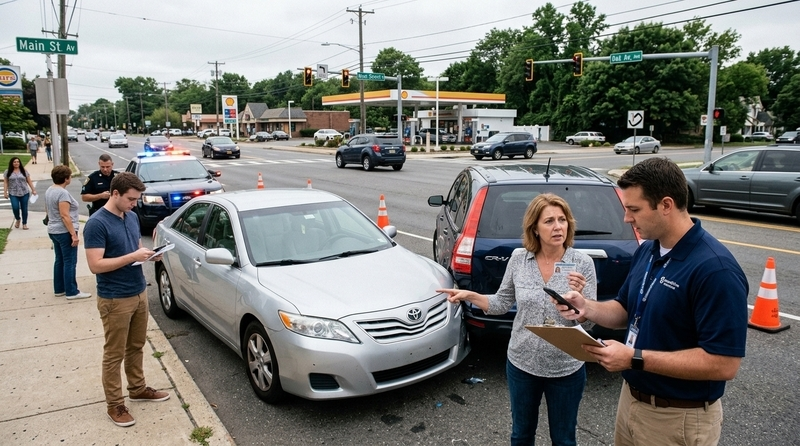
Table of Contents
Why the First Hour Matters More Than Most Drivers Think
The first hour after a crash often shapes everything that comes next. In that window, people tend to say too much, document too little, and assume they will remember the details later. That is one reason some drivers choose to speak with a car accident lawyer in Burbank before getting too deep into insurance conversations, especially when there is pain, confusion, or disagreement about what happened.
The issue is not that every accident turns into a major claim. The issue is that once certain things are said or left undocumented, they can be hard to correct later. A rushed statement, an incomplete set of photos, or a casual “I’m fine” can quietly affect how the accident is viewed from that point forward.
Start With Safety, Not Strategy
Right after a crash, check yourself and anyone else involved for injuries. If someone seems seriously hurt, call 911 immediately. If the vehicles can be moved safely and local law allows it, get them out of active traffic. If not, turn on your hazard lights and stay in the safest place you can.
A lot of people jump straight into exchanging stories or apologizing. That is understandable, but safety has to come first. Once everyone is in a safer position, then you can focus on the practical steps that protect you.
Call the Police if There Is Any Real Question About Damage or Injury
Many drivers try to handle accidents casually, especially if the other person says something like, “Let’s not make a big deal out of this.” That can backfire fast. If there are injuries, meaningful vehicle damage, or any disagreement about what happened, having an official report can make a big difference later.
When officers arrive, keep your explanation simple and factual. Say what you know. If you are not sure about something, say you are not sure. Guessing or filling in blanks is one of the easiest ways to create confusion that follows the claim for weeks or months.
Document More Than You Think You Need
This is where people often fall short. A couple of rushed bumper photos are rarely enough. Take clear pictures of all vehicles, their position on the road, traffic signs, skid marks, debris, visible injuries, weather conditions, and anything else that might help explain the crash.
If you want a more complete checklist, CarsFlow already has a useful guide on what to do after a car accident not your fault. It covers the kind of details drivers often miss when the scene feels chaotic.
You should also get the other driver’s name, phone number, license plate, driver’s license information, and insurance details. If there are witnesses, ask for their names and contact information too. Witnesses often seem unimportant in the moment until the story changes later.
Be Very Careful With What You Say to Insurance
Insurance companies often move quickly after a crash, and the first call can sound routine. The adjuster may seem helpful, relaxed, and polite. That does not change the fact that their job is to protect the company’s financial position.
The biggest risk is speaking before you have the full picture. You may not know how badly you are hurt yet. You may not know what repairs will cost. You may still be running on adrenaline. That is why it is smart to avoid detailed recorded statements until you have had time to breathe, get checked out, and gather the facts.
If you want to understand what kind of proof tends to matter most after the dust settles, this CarsFlow piece on what evidence can strengthen a personal injury claim is worth reading. It shows how the details people save early often become some of the strongest parts of a claim later.
Do Not Assume You Are Fine Just Because You Can Walk
One of the most common mistakes drivers make is assuming they escaped injury because they were able to stand, talk, or drive home. A lot of injuries do not show up right away. Neck pain, back pain, headaches, dizziness, and soft tissue injuries often become worse after the adrenaline fades. The CDC also notes that some head injury symptoms may appear hours or days later, not just at the scene of the crash: https://www.cdc.gov/traumatic-brain-injury/signs-symptoms/index.html.
That is why it is a good idea to get checked out promptly, even if the accident seemed manageable at first. Medical care does more than help you heal. It also creates a timeline that connects your symptoms to the crash before insurance starts asking why you waited.
Keep Track of the Costs That Quietly Add Up
A car accident does not just create one big bill. It creates a pile of smaller ones that can become important later. Towing, prescriptions, follow-up visits, rideshare costs, missed work, parking fees, rental car charges, and repair-related expenses all matter.
You do not need a complicated system. A notes app, folder, or simple spreadsheet is enough. Save receipts, appointment summaries, repair estimates, and any written communication with insurance or the other driver. The more organized you are, the easier it is to show the real impact of the crash if problems start building.
Patience Early On Can Save You Trouble Later
A lot of people feel pressure to “get it over with” as quickly as possible. That pressure leads to early statements, fast settlements, and bad assumptions about injuries that are still unfolding. But what feels efficient in the first few days can create bigger problems later if your pain gets worse, your work is affected, or the repair process becomes more complicated than expected.
The best approach is usually the simplest one. Stay calm. Document the scene well. Get medical attention if there is any real chance of injury. Be cautious with insurance conversations. And do not assume the first version of the story is the last version that will matter.
A crash may happen in seconds, but the aftermath can play out for weeks or longer. The drivers who protect themselves best are usually the ones who do not rush that first part.