
What Evidence Can Strengthen a Personal Injury Claim

In a busy city like Las Vegas, crucial information can quickly be lost after an accident. This happens as traffic keeps moving, witnesses leave, and accident scenes are often cleared in minutes. Insurance companies want proof and documentation before they pay. Even a real injury claim can be tough if there is not enough evidence.
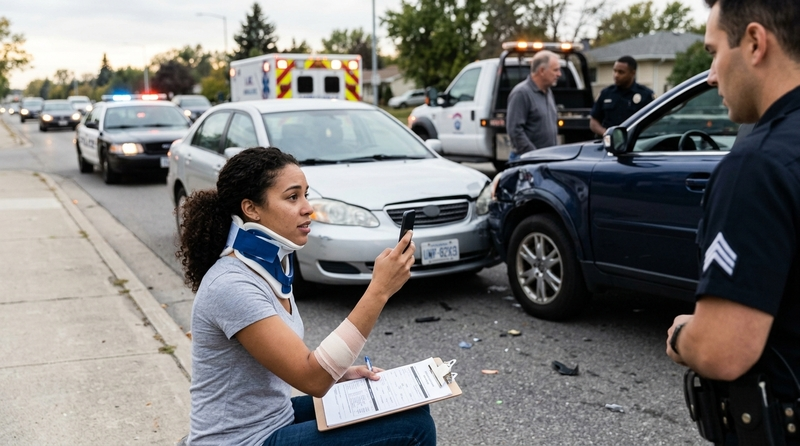
This is why many injured people talk to a personal injury lawyer in Las Vegas after a crash, fall, or other serious event. Good evidence can show what happened, who was at fault, and how the injury changed daily life. Sometimes, small details make a bigger difference than you might expect.
Table of Contents
Photos and Videos Often Tell the Story Faster
Pictures from the scene can become some of the strongest evidence in a personal injury case. They show exactly how things looked before anything changed. Tire marks fade, damaged property is repaired, and spills are cleaned up. Without photos, it is easier for others to doubt what really happened. Situations may look very different a few days later. Keeping a timeline of recovery through photos sometimes helps connect the injury directly to the accident.
Video can also help your claim. Traffic cameras, business security systems, or cellphone videos might catch something important. Sometimes, the video shows details that witnesses missed. A short clip could show how fast a driver was going or if someone ignored a warning sign before the accident.
Medical Records Help Connect the Injury to the Accident
Medical care records can greatly help support your injury claim. Insurance companies often look closely at when treatment started and whether there were long gaps in care. If someone waits too long to see a doctor, the insurer may argue the injury was not serious or was caused by something else.
Medical records can include visits to the hospital, notes from doctors, and test results. They also take into account prescriptions and physical therapy records. These documents help demonstrate the injury and the treatment that will be needed over the long term. Missing appointments or stopping treatment too early can sometimes hurt a case. Insurance companies may then argue that the person healed quickly. In some cases, they may say that the person was not seriously injured.
Witness Statements Can Support Your Version of Events
Independent witnesses can be very important in disputed cases. People who saw the accident can confirm details about unsafe actions, road conditions, or what happened right before the injury.
Memory fades fast. Someone might remember an accident clearly on the day it happens, but forget details months later. Getting names and contact information right away can make a big difference.
Witnesses do not have to see everything to be helpful. Someone who heard a driver admit fault or saw dangerous conditions before the accident can still give useful information. Even small details can help when several pieces of evidence support your story.
Financial Records Can Show the Real Impact
There is more to personal injury claims than just demonstrating that an accident occurred. You must also demonstrate the financial impact of the injury. The expenses you may incur are not limited to medical bills.
You can substantiate your claim with pay stubs, tax records, repair bills, transportation expenses, and receipts for out-of-pocket expenses. Documentation helps you prove your lost future wages or missed work if you’re unable to work because of your injury, instead of guessing.
Journaling can also be beneficial. You can see your recovery more clearly if you take daily notes about pain, sleep issues, missed activities, and stress. In long cases, it is easy to forget these details.
Building a Strong Claim Takes Consistent Documentation
A strong personal injury claim usually depends on preparation. Evidence fills in the gaps before insurance companies make their own version of what happened. The more documentation you have, the harder it is for others to dismiss your injury or downplay the damage.
Accidents can leave you feeling overwhelmed and unsure about what to do next. Collecting records, saving photos, following your treatment plan, and tracking financial losses might seem minor at first. Later, these details often become some of the strongest parts of your case.