
Why Some Injury Claims Get Harder the Longer You Wait

The first few days after a car accident are almost always spent on logistics: dealing with the vehicle, figuring out work, and getting through the immediate pain. The claim barely registers as a priority because the injury still feels temporary, and most people assume they have plenty of time to sort the legal side out later.
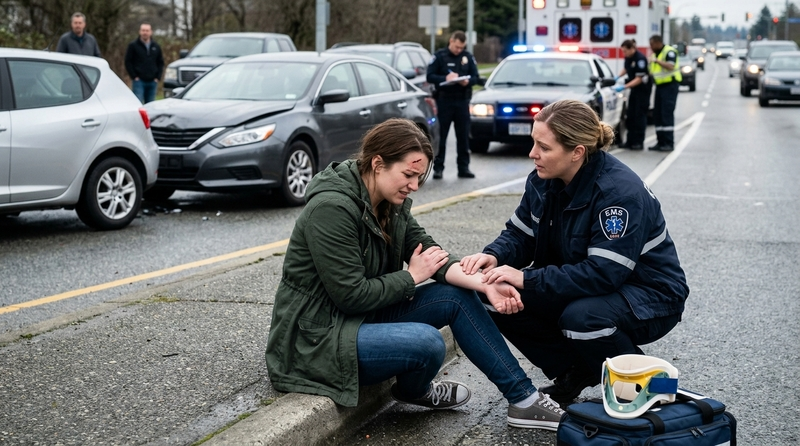
That assumption is where things start to unravel. Evidence deteriorates, gaps in medical treatment raise questions with insurers, and deadlines that felt distant start closing in. A personal injury lawyer in Irving, TX can push back against those pressures, but the longer the gap between the accident and the first real steps toward a claim, the more ground there is to make up.
Table of Contents
The Claim Often Looks Smaller in the First Week
Many injury cases seem minor at first. That is one reason people put them on the back burner. They think the soreness will pass, the car will get repaired, and the insurance company will handle the rest.
Sometimes that happens. A lot of times, it does not.
An injury that feels manageable on day two can feel very different on day ten. Neck pain can get worse. Back pain can start interfering with sleep. A person who thought they would only miss one shift may end up missing a full week. That changes the whole picture.
They have back-to-back doctor’s visits, mounting medication costs, time away from work, trouble sleeping, and much more. That is why waiting can create problems. The situation may be growing while you are still treating it like a short-term inconvenience.
Insurance Adjusters Notice Gaps and Jump On Them
One thing people do not always realize is that insurance companies pay attention to timing. They notice when treatment starts, when it stops, and whether there are long gaps in between. If you wait too long to get checked out, or if you stop treatment and then restart later, those gaps can become part of the conversation.
That does not mean you did anything wrong. Real life gets in the way. People have jobs, kids, and bills. Some do not want to spend hours at appointments if they think the pain will go away on its own.
Still, from a claim standpoint, delays can make things harder. They give the other side room to argue that the injury was not serious, or that something else caused the problem later.
The Paper Trail Starts Early
A personal injury claim is not only about what happened. It is also about what can be shown. That is where records matter.
The helpful stuff is usually very ordinary:
- photos of the damage
- names of witnesses
- visit summaries from doctors
- receipts for medicine
- missed time from work
- notes about how the injury affected daily life
People often think they will remember everything. Usually, they do not. A week later, the details start blending together. On which day did the pain get worse? When did the insurance adjuster call? How many days of work did you miss? Small details get fuzzy fast.
A lawyer helps organize that before it turns into a pile of disconnected papers and half-remembered events.
Compensation Is Not Just Based on Property Damage
This is another place where people get tripped up. The property damage part often moves more quickly than the injury side. The car gets inspected. A repair number gets discussed. The insurance company sounds responsive. That can make people assume the injury claim will move the same way.
It usually does not.
Cars are easier to price than pain. A bumper repair is one number. A shoulder injury that affects work, sleep, and daily routine is not that neat. It takes more time to understand, and sometimes more time to prove. That difference frustrates people, especially when they are trying to get back to normal.
A Lawyer Helps Keep the Claim From Getting Boxed In Too Early
One of the biggest risks in an injury case is treating it as fully understood before it actually is. People feel pressure to wrap things up. They want the calls to stop. They want some money in hand. They want closure.
That is totally normal. But if you think quick closure equals a fair outcome, then you might be mistaken. To achieve a fair outcome, the lawyer steps in to ask some pressing questions. They ask:
- Are you still receiving treatment?
- How has the injury affected your work?
- Does the first offer cover everything, including future treatments and needs?
- Do you fully understand the claim before rushing into any decision?
Sometimes the best help is simply having someone slow the process down enough to see it clearly.
A Final Thought
A delay in taking the right steps doesn’t mean you are lazy; however, it sure hurts your chances of getting the right compensation and the justice you deserve. Think about it: the longer you wait, the tougher it will get to secure evidence, witness statements, align with insurers, and more. Bills will start piling up with no satisfactory resolution in sight. Therefore, enlisting the help of a personal injury lawyer should be a priority once your immediate injuries are taken care of. They handle everything on your behalf so you can focus on healing.