
Why Delayed Pain After a Car Crash Can Still Matter in an Injury Claim

Tulsa drivers deal with busy highways, sudden lane changes and stop-and-go traffic near shopping areas, work zones and school routes. After a crash, some people step out of the car feeling shaken but not seriously hurt, so they answer questions, exchange details and try to move on with the rest of the day.
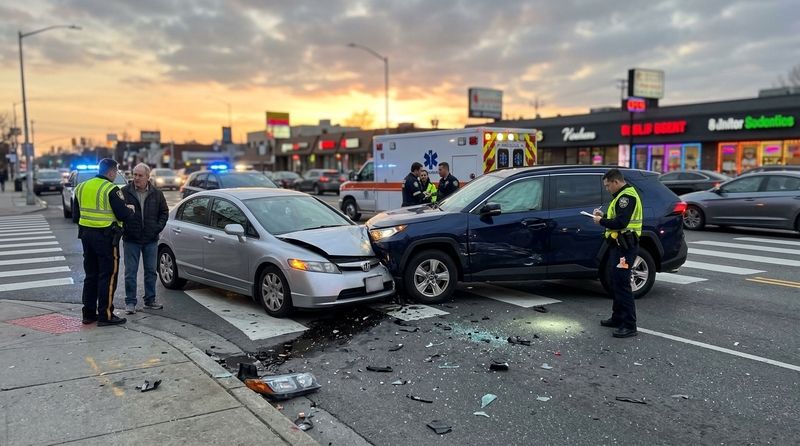
That first reaction can be misleading because pain does not always show up right away after a collision. Someone who feels only stiff at the scene may wake up the next morning with neck pain, headaches or back trouble that makes normal tasks harder. This is one reason people may speak with a car accident lawyer in Tulsa after delayed symptoms appear and questions start coming from the insurance company.
Table of Contents
Pain Can Lag
Delayed pain is common because a crash puts stress on the body before the person fully understands what happened. The force of the impact can strain muscles, joints, nerves and soft tissue even when there is no open wound or broken bone. A person may feel embarrassed about reporting pain later but late symptoms do not automatically mean the injury is fake or unrelated to the crash.
Adrenaline Hides Symptoms
The body often reacts to a crash by releasing adrenaline, which can make a person feel alert, restless or strangely calm for a short time and that reaction may block pain long enough for someone to talk with police, call family, arrange a tow and get home before the soreness begins. The real discomfort becomes easier to notice and harder to ignore as the body settles.
Injuries Develop Slowly
Some crash injuries take time because swelling, muscle tightness and nerve pressure may build over several hours or days. Neck strain, lower back pain, shoulder problems, knee pain and headaches can start mildly before they affect sleep, movement or work. A person should not assume they are fine just because they were able to walk around at the scene and speak clearly after the impact.
Early Care Matters
Getting medical care soon after delayed pain starts can help protect both health and the injury claim. A doctor can check symptoms, order tests when needed, and explain whether the pain may be consistent with the type of crash that occurred. Waiting for a long period can make recovery harder and may also give the insurance company a reason to question whether the crash caused the injury.
Gaps Create Doubt
Insurance adjusters often look closely at the time between the crash and the first medical visit. If there is a long gap they may argue the injury came from work, exercise, another accident or a health problem that existed before the crash. This does not mean a delayed pain claim is impossible, but it does mean the injured person should be ready to explain when symptoms started and why care was not sought sooner.
Records Tell Timeline
Medical records can outline and make it easier to follow the symptoms that developed, the treatment that was needed, and whether the injury improved or worsened over time. The injured person can also help by keeping simple notes about pain levels, missed work, sleep problems, driving trouble and daily tasks that became difficult. These details may seem small but they can give a clearer picture than memory alone months after the crash.
Careful Claim Steps
Delayed pain should be handled with care. Casual comments can create problems later like saying “I am okay” too early, skipping follow-up visits or posting normal activities online may be used to question the claim. A safer approach is to report symptoms honestly, follow medical advice and avoid guessing about recovery before the injury is fully understood.
Delayed pain after a car crash should not be brushed aside simply because it was not obvious at the scene. The body may need time to react, and the claim may need records that show the connection between the crash and the injury. When symptoms appear later, the most useful step is to take them seriously, document them clearly and get proper care before the problem becomes harder to explain.