
When a Routine Accident Becomes a Personal Injury Claim

Orlando has plenty of places where ordinary accidents can happen during a normal day, from grocery store aisles and apartment walkways to parking lots, hotel entrances and busy roads near shopping centers. A person may slip, trip, get hit or suffer a sudden injury and still think the situation is too small to become a legal matter.
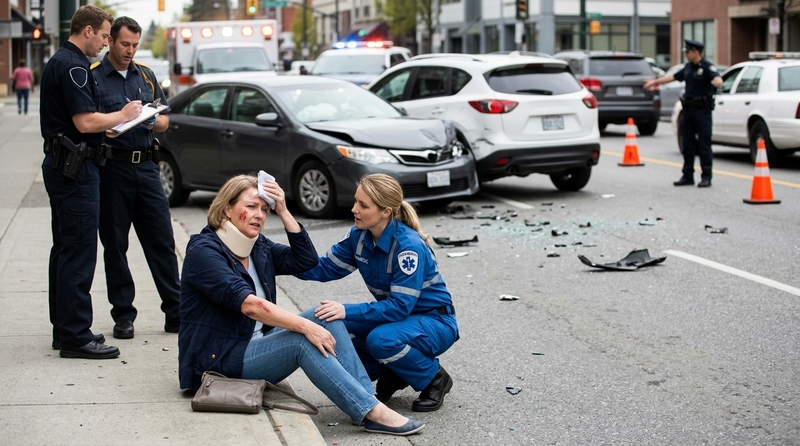
That can change when the accident leads to medical bills, missed work or pain that does not clear up as expected. A personal injury lawyer in Orlando, FL, may review a routine accident to see whether someone else failed to act with reasonable care and whether that failure caused real harm.
Table of Contents
Cause Of Injury
A personal injury claim usually starts with the reason the accident happened, not only the fact that someone got hurt. A fall on a clean floor may not lead to a claim, but a fall caused by a spill that sat too long, a broken step or poor lighting may trigger legal questions. The same idea applies to crashes, dog bites and unsafe property conditions, because the key issue is whether another person or business created a danger or ignored one they should have fixed.
Establishing Knowledge Is Important
Many routine accidents become harder to prove when there is no clear sign that the responsible party knew about the danger. Proof of notice can come from reports, camera footage, past complaints or the condition of the area itself.
In a store fall, for example, the question may be how long the spill was there and whether workers had enough time to clean it.
On private property, the issue may be whether the owner knew about a loose railing, uneven walkway or unsafe entrance before someone was hurt.
What Did the Injury Do
An accident does not need to look dramatic to really affect a person’s life. A twisted knee may limit walking, a sore back may make work painful and a shoulder injury may stop someone from lifting a child or carrying groceries. The legal value of the claim depends on how the injury changes daily life, not only how it looked at the scene. This is why medical care and honest symptom notes matter after pain continues.
Insurance Perspective
Insurance companies look at routine accidents with doubt because they may see the claim as small or easy to deny. An adjuster may ask why the person did not report the injury right away, why treatment started late or why there were no witnesses. These questions are not always unfair but they can be used to reduce the claim if the injured person has weak records. Clear reports, steady medical care and saved photos can help answer those doubts.
Report Timing
Reporting the accident soon can make a major difference because delays create confusion. A store manager, property owner, employer or driver should be told what happened while the facts are still fresh. The report should include the time, place and basic cause of the accident without guessing or taking blame. A copy should be kept when possible, as later disputes arise when no one agrees on when the accident was first reported.
Damage Proof
The claim becomes stronger when the injured person can show actual losses connected to the accident. Medical bills, therapy notes, prescription costs, missed pay, travel expenses and repair costs may all help explain the damage. It also helps to save photos of the scene, shoes, torn clothing or any item involved in the accident. These records give the claim a timeline and make it harder for the insurer to treat the injury like a minor inconvenience.
Legal Turning Point
A routine accident becomes a personal injury claim when careless conduct, real injury and measurable losses come together. Not every accident needs a claim, and not every injury means someone else is responsible. The turning point usually comes when the harm continues, bills appear or the responsible party refuses to take the accident seriously. At that stage, the injured person should focus on records, treatment and clear facts rather than quick assumptions about whether the case is too small.