
Toyota 4Runner Trims and the 3rd Generation Build: A Look at a Classic SUV Platform

Table of Contents
Why the 3rd Gen 4Runner Still Gets So Much Respect
If you spend any time around off-road forums or SUV enthusiasts, the 3rd generation Toyota 4Runner comes up constantly — and for good reason. Built from the mid-1990s through the early 2000s, it earned its reputation the old-fashioned way: it just doesn’t break easily. At a time when most SUVs are chasing comfort features and touchscreens, this generation was built around a simpler idea — make it tough, make it reliable, and let it handle whatever terrain you point it at.
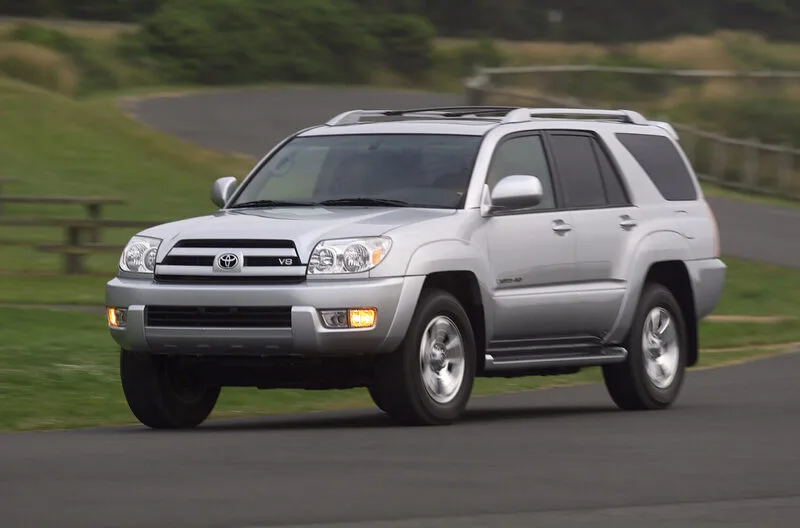
When people start comparing 4Runner trims from this era, the conversation usually comes down to drivetrain setup, factory features, and what the truck is actually going to be used for. Four-wheel-drive versions in particular have stayed popular because they give you a solid starting point for trail driving, camping trips, or just knowing your vehicle can handle a rough road without complaint. Between the sturdy frame, the dependable engines, and an interior that prioritizes function over flash, it’s not hard to see why this SUV is still sought after decades later.
What Actually Makes This Generation Hold Up So Well
The body-on-frame construction is really the backbone of why these trucks last. It’s a design that can take a beating on rough terrain without the structure itself giving out — and it also means repairs tend to be a lot more straightforward than on newer vehicles buried in sensors and electronics. If something goes wrong, there’s a decent chance you (or a competent mechanic) can actually fix it without needing a dealership’s diagnostic computer.
The V6 engine option is probably the most talked-about piece of the puzzle. It’s not going to out-muscle a modern SUV on paper, but that’s kind of beside the point — what it delivers instead is a dependable balance of power and longevity that just keeps running, whether you’re commuting, hauling camping gear, or crawling over rocks on a trail.
The suspension setup deserves credit too. It was built in a way that leaves room for owners to dial in ground clearance and handling through modifications, rather than locking you into the factory setup forever. That flexibility is a big reason this generation has become such a popular platform for restoration projects and custom builds.
Modifications and Upgrade Parts Worth Knowing About
One of the real perks of owning an older 4Runner is just how much room there is to make it your own. A lot of owners put real time (and money) into upgrade parts aimed at improving performance, looks, or day-to-day usability — whatever matters most for how they actually drive the thing.
The usual suspects show up again and again: suspension upgrades, protective exterior gear, better lighting, added storage. Done right, these changes can turn a stock 4Runner into something genuinely built for outdoor use, without messing with what made the truck good in the first place.
That said, modifications aren’t free of trade-offs, and it’s worth thinking through before you start bolting things on. Bigger tires might improve traction off-road, but they can eat into fuel economy and change how the truck handles on pavement. Exterior add-ons boost functionality but also add weight. The builds that actually turn out well tend to come from people who plan for balance, rather than just piling on every part they can find.
If you’re digging into different approaches to customizing one of these trucks, brands like Hooke Road show up as part of that broader conversation around aftermarket parts. Just make sure whatever you’re looking at actually fits your specific truck and your actual driving needs — compatibility and part quality matter more than brand names.
Why Custom Builds Keep Growing in Popularity
Interest in custom 4Runner builds has picked up as more people rediscover just how reliable these older SUVs are. A well-thought-out 4Runner Build usually says a lot about the owner — whether it’s set up for weekend trail runs, tweaked for better daily driving, or restored simply to preserve a piece of automotive history.
Part of what’s kept this generation relevant is the community around it. Owners trade maintenance war stories, restoration tips, and modification advice constantly, and that shared knowledge makes it a lot easier for someone new to the platform to understand what they’re actually working with — and what its limits are.
It’s not purely about capability either. A lot of the appeal comes down to the styling, the practical size, and the mechanical simplicity — things that feel increasingly rare as newer vehicles get more complicated by the year. This generation offers a different kind of ownership experience, one built around durability and the freedom to customize it exactly how you want.
Things Worth Thinking Through Before You Start a Build
Before diving into a project, it’s worth being honest about the truck’s current condition, your actual budget, and what you actually plan to use it for. A solid, rust-free foundation matters a lot more than expensive add-ons — so maintenance checks and a real mechanical inspection should happen before anything else.
It also helps to match your upgrades to how you actually drive. A 4Runner that mostly sees city streets doesn’t need the same setup as one headed for serious off-road trips, and being honest about that difference up front tends to lead to a build that’s both more practical and more enjoyable to own.
If you want to Know More about specific parts, install methods, or what long-term ownership actually looks like, automotive communities and technical forums are a solid place to dig further.
Final Thoughts
The 3rd generation Toyota 4Runner has earned its staying power. Solid construction, dependable performance, and a huge amount of room for customization have kept it relevant long after Toyota moved on to newer models. Whether someone’s keeping theirs as close to stock as possible or building it out for serious trail use, this generation still holds a real place in Toyota’s SUV history.
At the end of the day, a good build comes down to understanding what the truck is naturally good at and making changes that actually support what you want out of it. With some patience and sensible modifications, a 3rd gen 4Runner can keep delivering years of solid use — and plenty of enjoyment along the way.